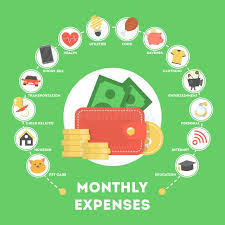
This guide offers practical, easy-to-follow strategies for lowering your monthly expenses. It covers common spending areas and provides actionable advice to help you save money without feeling deprived. The focus is on smart choices and gradual changes that lead to significant financial improvement.
Understanding Your Spending Habits
Before you can cut costs, you need to know where your money is going. This is the first big step. Many people skip this.
They just start cutting things randomly. That rarely works long-term. You need to see the full picture of your finances.
It’s like a doctor needing to see your X-rays. You need to see your spending habits. This helps you find the leaks.
It shows you the areas that are costing you the most.
Think about it. If you spend a lot on eating out, that’s a clear target. If your subscriptions are adding up, that’s another spot to check.
Knowing these details is key. It lets you make smart choices. It helps you focus your energy.
You can then choose the best ways to save money. This makes your efforts more effective. It stops you from wasting time.
It stops you from cutting things that don’t matter much.
Where Does Your Money Go?
Let’s break down common areas where money tends to go. This is not a full list. But it covers many typical spots.
We all have basic needs. We also have wants. Knowing which category a spending item falls into is helpful.
It helps you prioritize. It helps you decide what’s truly important.
Common Spending Categories
- Housing: Rent or mortgage, property taxes, insurance, utilities.
- Food: Groceries, dining out, coffee shops.
- Transportation: Car payments, gas, insurance, public transport, ride-sharing.
- Debt Payments: Credit cards, student loans, personal loans.
- Personal Care: Haircuts, toiletries, gym memberships.
- Entertainment: Movies, hobbies, streaming services, events.
- Shopping: Clothes, electronics, home goods.
- Savings & Investments: Money set aside for the future.
See how many categories there are? Each one is a place where money flows. Some are fixed.
Your rent or mortgage is usually the same each month. Others are variable. Your grocery bill can change a lot.
Your entertainment spending can too. Variable costs are often easier to adjust. You have more control over them.
Fixed costs can be harder to change. But even those can sometimes be lowered.
Tracking Your Spending: The First Step to Savings
So, how do you get this spending picture? You need to track it. This means writing down every single dollar you spend.
Yes, every dollar. It might seem tedious. But it’s incredibly powerful.
You can use a notebook. You can use a spreadsheet. Or you can use a budgeting app.
Many apps link to your bank accounts. They automatically sort your spending.
I remember a time when I thought I knew exactly where my money went. I was wrong. So wrong.
I used a simple notepad. I jotted down every coffee, every impulse buy. By the end of the week, I was shocked.
I saw I was spending a small fortune on snacks from the corner store. It wasn’t huge amounts at once. But it added up fast.
That little bit of awareness changed everything for me. It made me rethink those small purchases.
App Options for Tracking
- Mint: Popular and free. Links to many accounts.
- YNAB (You Need A Budget): Paid but very effective. Focuses on giving every dollar a job.
- Personal Capital: Good for tracking investments too. Free.
- PocketGuard: Helps you see how much is safe to spend.
Choose a method that works for you. The best tool is the one you actually use. Don’t get bogged down in finding the “perfect” app.
Just start tracking. Do it for a month. See what happens.
You’ll likely find some surprises. You’ll see where your monthly expense reduction ideas can be most effective. This data is your guide.
Smart Strategies for Lowering Food Costs
Food is a big part of many budgets. It’s also an area where savings can be found. Eating out is often the biggest culprit here.
Think about how often you grab lunch. Or how often you order dinner in. Each time adds up.
A $15 meal out can easily be $5 or less if you make it at home.
So, what can you do? First, plan your meals. This is huge.
Knowing what you’ll eat helps you shop smarter. You buy only what you need. You avoid last-minute expensive trips to the store.
Make a list. Stick to it. This stops impulse buys.
Impulse buys at the grocery store are costly.
Next, cook more at home. Pack your lunch for work. Make coffee at home instead of buying it.
These seem like tiny changes. But they make a difference. I started bringing my lunch every day.
I saved over $50 a month just on that. That’s money I could use for other things. Or I could just let it sit in my savings account.
It felt good to have that extra cash.
Food Savings Quick Tips
- Meal Plan: Decide meals for the week.
- Grocery List: Write down what you need. Stick to it.
- Cook at Home: Pack lunches. Make coffee.
- Buy Generic: Store brands are often cheaper.
- Use Coupons/Apps: Look for deals before you shop.
- Reduce Food Waste: Store food properly. Use leftovers.
- Buy in Bulk (Smartly): Only if you will use it all.
Another idea is to embrace cheaper proteins. Beans, lentils, and eggs are very affordable. They are also healthy.
You don’t need to eat steak every night. Mix in some plant-based meals. You’ll save money and it’s good for you too.
Also, think about when you shop. Stores often have sales on certain days. Check flyers before you go.
Cutting Down on Transportation Costs
Cars are expensive. They cost money to buy, to run, and to maintain. If you have a car payment, that’s a big fixed cost.
But even if you own your car outright, gas, insurance, and repairs add up fast. Finding ways to reduce these costs is a great monthly expense reduction idea.
Can you drive less? Maybe you can carpool. If you work with others nearby, talk about sharing rides.
This cuts down on gas and wear and tear. It can also be nice to have company on your commute. Some people find they save money by using public transport more.
If you live in a city with good bus or train service, give it a try.
Walking or biking are even cheaper. They are also great for your health. If your commute is short enough, consider these options.
Even biking to the grocery store once a week can save you some gas money. It also gives you some exercise. It’s a win-win situation.
Think about any errands you run. Could you combine them? Could you walk or bike for some?
Transportation Savings Ideas
- Carpool: Share rides with colleagues or neighbors.
- Public Transport: Use buses, trains, or subways if available.
- Walk or Bike: For short trips and errands.
- Combine Errands: Plan your trips to do multiple things at once.
- Maintain Your Car: Proper maintenance can prevent costly repairs.
- Shop for Insurance: Compare rates from different companies.
- Drive Smarter: Avoid rapid acceleration and braking to save gas.
What about car insurance? Rates can vary wildly. It pays to shop around.
Check with different providers every year or two. You might be surprised at how much you can save. Also, look at your policy.
Do you need all the coverage you have? If your car is older, you might not need full coverage anymore. This could lower your premiums.
Tackling Utilities and Home Expenses
Your home is where you live. But keeping it running costs money. Electricity, water, heating, and cooling are essential.
But they can also be big bills. Finding ways to use less energy can lower these costs. This is a great area for passive savings.
You just use less, and you pay less.
Simple changes can make a difference. Turn off lights when you leave a room. Unplug electronics when they’re not in use.
They still draw power even when off. This is called phantom load. It’s a small drain, but it adds up over time.
Adjust your thermostat. Lower it in the winter. Raise it in the summer.
Even a few degrees can save a lot on heating and cooling bills.
Fix leaky faucets. A small drip can waste gallons of water each day. That wasted water costs you money.
It also strains our water resources. Consider energy-efficient light bulbs. LED bulbs use much less energy.
They also last much longer than old incandescent bulbs. So, you save money on electricity and replacement bulbs.
Energy Saving at Home
- Turn off Lights: Simple habit, big impact.
- Unplug Devices: Fight phantom energy use.
- Adjust Thermostat: A few degrees makes a difference.
- Fix Leaks: Save water and money.
- Use LED Bulbs: More efficient and longer-lasting.
- Seal Drafts: Prevent heat or cool air from escaping.
- Use Fans: Circulate air to feel cooler in summer.
Look into your utility providers. Are there programs they offer? Some companies have energy audits.
They can help you find where you’re losing energy. They might offer rebates for efficient appliances. It’s worth checking.
Sometimes small upgrades can lead to big savings over the long haul. This is a true monthly expense reduction strategy.
Reducing Entertainment and Lifestyle Spending
Entertainment is important. We all need to relax and have fun. But this is often an area where spending can get out of hand.
Streaming services, movie tickets, dining out for fun, hobbies – these costs add up. You don’t have to stop having fun. You just need to find cheaper ways to do it.
Think about your subscriptions. How many streaming services do you really use? Do you need all of them?
Maybe you can rotate them. Subscribe to one for a month, then cancel and pick another the next. Or share accounts with family.
Many services allow this. Make sure you follow their terms.
Look for free or low-cost entertainment. Parks, libraries, hiking trails, free museum days. Many cities offer free concerts or events.
Check community calendars. Your local library is a goldmine. You can borrow books, movies, and even music.
They often have free classes and workshops too. This is a fantastic way to save money.
Affordable Fun Ideas
- Library Visits: Books, movies, events.
- Nature Walks: Parks, trails, beaches.
- Community Events: Free concerts, festivals.
- Game Nights: Host friends at home.
- Potlucks: Share the cost of a meal with friends.
- DIY Hobbies: Crafting, gardening, learning a skill.
- Picnics: Enjoy a meal outdoors.
When you go out with friends, suggest more budget-friendly activities. Instead of a pricey dinner, suggest a potluck or a picnic. Instead of seeing a movie in the theater, have a movie night at home.
It’s about being creative. It’s about prioritizing experiences over expensive outings. This thoughtful approach helps with monthly expense reduction.
Taming the Shopping Bug: Clothes, Gadgets, and More
Shopping can be a hobby for some. For others, it’s a necessity. Either way, it can be a huge drain on your finances.
Impulse buys are dangerous. That little thing you see and just have to have can add up. It’s easy to spend money on things you don’t truly need.
Before buying something new, ask yourself: Do I really need this? Can I wait? Can I find it cheaper used?
Can I borrow it? This simple questioning can stop many unnecessary purchases. Give yourself a “cooling off” period for non-essential items.
If you want a new gadget, wait 24 hours. If you still want it just as much, then reconsider. Often, the urge passes.
When you do need to buy things, shop smart. For clothes, consider thrift stores or consignment shops. You can find amazing deals on good quality items.
For furniture, check online marketplaces or garage sales. For electronics, look for refurbished items. They are often much cheaper and come with a warranty.
Buying used saves money and is better for the environment.
Savvy Shopping Habits
- Pause Before Buying: Wait 24 hours for non-essentials.
- Buy Used: Thrift stores, consignment, online marketplaces.
- Compare Prices: Never pay full price if you can avoid it.
- Look for Sales: Shop during holiday sales or clearance events.
- Ask: Do I NEED this? Be honest with yourself.
- Repair Instead of Replace: If possible, fix broken items.
- Borrow or Rent: For items you only need once.
Another tip is to unsubscribe from marketing emails. Retailers send these all the time. They are designed to make you want to buy.
Seeing them constantly can tempt you. You can also set a budget for shopping. Stick to it strictly.
This helps prevent overspending. A little discipline goes a long way for monthly expense reduction.
Dealing with Debt to Free Up Cash
Debt can feel like a heavy weight. Credit card interest, loan payments – these are often large monthly expenses. If you can reduce the amount of debt you owe, you free up significant cash flow.
This is a powerful way to improve your finances.
The first step is to understand your debt. Know exactly how much you owe. Know the interest rates on each debt.
High-interest debt, like credit cards, costs you the most. Prioritize paying these down first. This is often called the “debt avalanche” method.
It saves you the most money on interest over time.
Another popular method is the “debt snowball.” You pay off your smallest debts first. As you pay them off, you gain momentum and motivation. While it might cost a little more in interest, the psychological wins are huge.
Choose the method that feels most sustainable for you. The goal is to be debt-free.
Debt Reduction Strategies
- Know Your Debts: List amounts and interest rates.
- Debt Avalanche: Pay off highest interest debts first.
- Debt Snowball: Pay off smallest debts first for motivation.
- Balance Transfer: Move high-interest debt to a 0% APR card (watch fees!).
- Debt Consolidation: Combine multiple debts into one loan (often with a lower rate).
- Negotiate: Contact creditors to ask for lower rates or payment plans.
- Increase Payments: Pay more than the minimum whenever possible.
Consider balance transfers or debt consolidation loans. These can help lower your overall interest rate. This means more of your payment goes to the principal.
But be careful. Read all the terms and fees. A 0% APR introductory offer on a credit card is great.
But know when it ends. Also, try to avoid taking on new debt while you’re paying off old debt. This is critical for making progress.
Subscriptions: The Silent Budget Drain
It’s easy to sign up for subscriptions. Free trials are everywhere. Then, before you know it, you’re paying for many services.
Think streaming, music, gym memberships, software, boxes of goodies. Individually, they might not seem like much. But together, they can add up to a significant monthly cost.
This is a prime target for monthly expense reduction ideas.
Go through your bank and credit card statements. Look for recurring charges. List them all out.
Then, for each one, ask: Do I use this regularly? Is it worth the cost? Can I get a similar benefit elsewhere for free or cheaper?
Be honest. If you haven’t used that gym membership in months, it’s probably time to cancel it.
For streaming services, you might not need them all. Pick one or two that you enjoy the most. Rotate through others if you wish.
For news subscriptions, see if your local library offers access. For software, are there free alternatives that do what you need? Don’t be afraid to cancel.
You can always resubscribe later if you truly miss it.
Subscription Audit Checklist
- List All Recurring Charges: Check bank/card statements.
- Usage Assessment: How often do you use the service?
- Value Check: Is the cost justified by the benefit?
- Alternative Options: Can you get similar value elsewhere for less?
- Cancellation Readiness: Are you prepared to cancel if it doesn’t meet criteria?
- Shared Options: Can you split costs with family or friends?
- Free Trials: Set reminders to cancel before you’re charged.
This review is so important. I once found a subscription I’d completely forgotten about. It had been charging me for over a year!
It was a small amount monthly, but over a year, it was a decent sum. Canceling it felt like finding forgotten money. It’s a simple step but often overlooked.
This is a quick win for cutting costs.
Making Smarter Financial Choices
Beyond specific categories, there are general financial habits that help. Developing these can lead to ongoing savings. It’s about building a mindset of value and thoughtful spending.
This isn’t about deprivation. It’s about being intentional with your money.
One of the best habits is to “pay yourself first.” Before you pay bills or spend on wants, set aside money for savings or investments. Even a small amount helps. Automate this.
Set up an automatic transfer from your checking to your savings account each payday. This ensures saving happens before you have a chance to spend it. It’s a powerful way to build wealth over time.
Avoid comparing yourself to others. Social media often shows a highlight reel. People show their best vacations and purchases.
This can lead to feeling like you’re not doing enough. Focus on your own financial goals. Your journey is unique.
What works for one person might not work for another. Stay focused on your own progress.
Core Money-Saving Habits
- Pay Yourself First: Automate savings transfers.
- Set Financial Goals: Know what you’re saving for.
- Avoid Impulse Buys: Use waiting periods.
- Live Below Your Means: Spend less than you earn.
- Educate Yourself: Learn about personal finance.
- Review Regularly: Check budget and spending monthly.
- Celebrate Small Wins: Acknowledge progress.
Also, try to find joy in simple things. Many of the best experiences in life are free or low-cost. Spending time with loved ones, enjoying nature, learning a new skill.
These don’t require a lot of money. Shifting your focus to these things can reduce the pressure to spend money on material goods. It’s a shift in perspective that has great financial benefits.
When to Worry and When It’s Normal
It’s normal to spend money. Everyone does it. The key is to spend within your means.
And to spend on things that bring you value. Some spending is essential. Like housing and food.
Some spending is discretionary. Like entertainment and new clothes. Both are part of life.
When should you worry? If you’re consistently spending more than you earn, that’s a red flag. If you’re relying on credit cards to cover basic needs, that’s a concern.
If you’re not saving anything for emergencies, that’s risky. If you’re feeling stressed about your finances all the time, it’s time to make a change.
Most of the monthly expense reduction ideas we’ve discussed are about making smart choices. They are about being intentional. They are not about living a life of scarcity.
It’s about finding a balance. It’s about optimizing your spending so it supports your life and your goals. Making gradual changes is usually the most sustainable approach.
Quick Checks for Financial Health
- Spending vs. Income: Are you spending less than you make?
- Emergency Fund: Do you have 3-6 months of expenses saved?
- Debt Levels: Is your debt manageable and decreasing?
- Budget Adherence: Are you sticking to your spending plan?
- Financial Stress: How often do you worry about money?
If you find yourself in a tough spot, don’t panic. Many people face financial challenges. The important thing is to take action.
Start with small steps. Track your spending. Make a plan.
Seek advice if you need it. There are resources available to help you get on track.
Quick Fixes and Smart Tips
Here are some very quick tips you can implement right away. These are small actions that can add up. They are perfect for getting started with monthly expense reduction.
- Cancel that unused gym membership.
- Brew your own coffee tomorrow.
- Pack your lunch for work tomorrow.
- Unsubscribe from one marketing email list today.
- Turn off lights in empty rooms.
- Unplug chargers when not in use.
- Plan your next grocery trip and make a list.
- Look for a cheaper cell phone plan.
- See if you can negotiate your cable or internet bill.
- Borrow a book from the library instead of buying it.
These are just a few examples. The goal is to start thinking about where your money goes. And to find small ways to keep more of it.
Every little bit saved is progress. It builds confidence. It builds momentum.
You don’t have to make huge, drastic changes all at once. Small, consistent actions are often the most effective.
Frequently Asked Questions
What is the best way to start reducing monthly expenses?
The best way to start is by tracking your spending. You need to know exactly where your money is going before you can make changes. Use an app, spreadsheet, or notebook.
Do this for at least a month to get a clear picture of your habits.
How can I reduce my grocery bill without eating unhealthy food?
Meal planning is key. Create a list based on planned meals and stick to it. Buy generic brands for staples.
Reduce food waste by storing food properly and using leftovers. Incorporate more affordable proteins like beans, lentils, and eggs into your diet. Look for sales and use coupons.
Are subscription boxes worth the cost?
For most people, subscription boxes are not worth the cost. They often become impulse purchases that you forget about. Before signing up, ask yourself if you truly need it.
If you already have one, review its value regularly. Many can be easily canceled to save money.
How much should I aim to save each month?
A common recommendation is to save at least 20% of your income. However, this can vary based on your goals and expenses. Start with what you can afford.
Even saving 5% is a great start. The most important thing is to save consistently and try to increase it over time.
What are the easiest expenses to cut first?
The easiest expenses to cut are usually discretionary ones. This includes things like dining out frequently, entertainment spending, and non-essential shopping. Subscriptions you don’t use and impulse buys are also easy targets.
These areas offer quick wins for monthly expense reduction.
Can I reduce my utility bills significantly?
Yes, you can often reduce utility bills significantly. Simple habits like turning off lights, unplugging devices, and adjusting your thermostat can make a big difference. Sealing drafts, using LED bulbs, and fixing water leaks also help.
Check with your utility provider for energy-saving programs.
Conclusion
Lowering your monthly expenses is a journey. It’s not a race. It’s about making smarter choices.
It’s about understanding where your money goes. Then, you can find the best ways to save. Small changes add up.
Be patient with yourself. Celebrate your successes. You can achieve your financial goals.