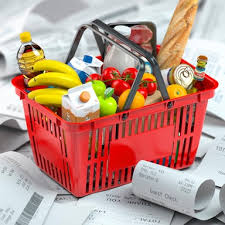
Reducing grocery expenses involves smart shopping, meal planning, and reducing waste. Focus on buying in season, using coupons, cooking at home, and storing food properly to save money on your food budget.
Understanding Grocery Expenses
Grocery expenses are a big part of many household budgets. The price of food can change a lot. Many things affect these prices.
Weather can play a role. So can how much of something is available. Global events also impact what we pay for food.
Think about a simple loaf of bread. Its price depends on wheat crops. It also depends on transportation costs.
And it depends on the cost of making it. Even your favorite fruits and vegetables have a journey. They travel from farms to your table.
Sometimes, you might notice prices going up for no clear reason. This can be frustrating. It makes sticking to a budget harder.
Knowing why this happens can help us plan better. It also helps us find ways to save money.
My Grocery Saving Journey
I remember one summer when tomato prices shot through the roof. It was baffling. I love making fresh pasta sauce, and tomatoes are key.
Seeing them cost so much made me feel a bit helpless. I almost gave up on making my favorite dish that week. That feeling of wanting to cook good food but being stopped by cost was a real bummer.
So, I started looking for answers. I talked to friends and family. I read articles online.
I even watched a few cooking shows that talked about budget meals. Slowly, I learned about different ways to shop. I discovered the power of planning ahead.
It wasn’t easy at first. There were a few trips where I forgot things. But I kept trying.
That dedication to finding solutions made a difference over time.
Smart Shopping Habits
Know Your Prices: Keep track of what items usually cost. This helps you spot a good deal. Stores often have sales.
Knowing the normal price lets you see how much you’re really saving.
Compare Stores: Different stores have different prices. A quick check of flyers or apps can show you where to get the best deals. Sometimes driving a little further saves a lot.
Buy Store Brands: Many store brands are just as good as name brands. They often cost less. Try them out to see if you like them.
Planning Your Meals
Meal planning is a game-changer for saving money. When you plan meals, you know exactly what you need to buy. This stops you from buying things you don’t need.
It also stops you from buying too much of certain items.
Start by looking at your week. What days will you be busy? What days do you have more time to cook?
Think about what you already have in your pantry or freezer. Use those items first. This helps reduce food waste.
Food waste is like throwing money away.
Once you have a plan, make a list. Stick to that list when you go shopping. This is a key step.
Many impulse buys happen when we don’t have a clear plan. A good meal plan means you’ll use what you buy. Nothing goes to waste.
Savvy Grocery Shopping Strategies
Shopping smart is more than just finding sales. It’s about being strategic. Many stores have loyalty programs.
Signing up for these can give you extra discounts. It can also give you points that lead to future savings. Always check if your store offers one.
Coupons are still a great way to save. You can find them in newspapers, magazines, and online. Many store apps also have digital coupons.
Clip or load them before you shop. Make sure you only use coupons for things you actually need and will use. A coupon for something you don’t need is not a saving.
Buying in bulk can save money. But only if you will use everything. Consider sharing bulk items with friends or family.
Things like rice, beans, and pasta are good for bulk buys. Make sure you have a good place to store them so they don’t go bad.
Ingredient Swaps for Savings
Chicken vs. Beans: For many recipes, you can swap chicken for beans or lentils. This is often much cheaper.
Lentils and beans are also very healthy.
Fresh vs. Frozen: Frozen fruits and vegetables are often cheaper than fresh. They are picked at their peak and frozen.
This keeps their nutrients. They are great for smoothies or cooked dishes.
Ground Meat vs. Veggies: You can often stretch ground meat by adding finely chopped vegetables like mushrooms or onions. This makes the meat go further and adds flavor.
Buying Produce Wisely
Produce can be a big part of your grocery bill. Buying fruits and vegetables when they are in season is usually cheaper. They are also often tastier.
Farmers’ markets can be a good place to find in-season produce. Sometimes you can even find deals towards the end of the market day.
Don’t be afraid of slightly imperfect produce. Stores sometimes sell “ugly” fruits and vegetables at a discount. These might have a funny shape or a small bruise.
They are still perfectly good to eat. You can often cut away small imperfections. These are great for cooking or making smoothies.
Consider growing your own herbs or a few vegetables. Even a small pot of basil on a windowsill can save money. It also adds fresh flavor to your cooking.
It’s a small step but can make a difference.
Reducing Food Waste
Food waste is a huge problem for many households. It’s also a big drain on your wallet. When food spoils in your fridge, it’s money lost.
Proper storage is key to preventing this.
Learn how to store different foods. Keep fruits and vegetables in the right place. Some need the fridge, others do better on the counter.
Use airtight containers. This helps food stay fresh longer. Rotate your stock.
Use older items before newer ones.
Be creative with leftovers. Don’t just throw them away. Turn leftover chicken into a salad.
Make a soup from leftover vegetables. Leftover rice can become fried rice. This saves you from buying another meal.
Quick Storage Tips
Leafy Greens: Wash and dry them. Then store them in a bag with a paper towel. The towel absorbs extra moisture.
This keeps them crisp longer.
Herbs: Treat them like a bouquet of flowers. Trim the stems. Put them in a jar with a little water.
Cover loosely with a plastic bag. Store in the fridge.
Bread: If you won’t eat it all quickly, freeze it. Slices freeze well. You can toast them straight from the freezer.
Cooking at Home
Eating out or ordering takeout is convenient. But it’s almost always more expensive than cooking at home. Even a simple sandwich from a cafe costs more than making one yourself.
Taking the time to cook can lead to big savings.
Start with simple recipes. You don’t need to be a gourmet chef. Many delicious meals are easy to make.
Look for recipes that use common ingredients. This way, you won’t need to buy special items you’ll only use once.
Batch cooking is a great idea. Cook a large batch of chili, soup, or pasta sauce. Portion it out and freeze it.
Then you have quick meals ready for busy nights. This saves time and money.
Understanding Unit Pricing
Unit pricing helps you compare value. It tells you the price per ounce, pound, or unit. Look for this information on the shelf tag.
A bigger package isn’t always cheaper per unit. Sometimes a smaller package has a better unit price.
This is especially true for items like cereal, cleaning supplies, and toiletries. Always check the unit price to make sure you’re getting the best deal. It’s a simple check that can add up to significant savings over time.
Contrast: Buying Smart vs. Impulse Buys
Buying Smart:
- Have a meal plan and shopping list.
- Look for sales and use coupons.
- Compare unit prices.
- Buy seasonal produce.
- Reduce food waste by storing and using leftovers.
Impulse Buys:
- Buy items not on the list.
- Purchase things just because they are on sale, even if not needed.
- Ignore unit prices.
- Buy out-of-season items at higher prices.
- Let food spoil in the fridge.
The Role of Your Pantry
A well-stocked pantry can be your best friend for saving money. Having staples on hand means you can whip up meals without a special trip to the store. Think about non-perishable items like rice, pasta, canned goods, and dried beans.
When you see these items on sale, stock up. Just be sure you have a place to store them properly. Check expiration dates and use them before they expire.
A pantry organized by category makes it easy to see what you have.
Don’t forget your freezer too. Frozen meats, vegetables, and fruits can be lifesavers. They are often cheaper than fresh.
They also last a long time. Properly wrapping items prevents freezer burn.
Seasonal Eating and Its Benefits
Eating seasonally means buying foods when they are naturally harvested in your region. This time of year often has the best prices. Produce is abundant.
So, stores and markets can offer it at lower costs.
For example, in the summer, berries and tomatoes are plentiful and cheap. In the fall, apples and pumpkins are in season. Knowing what’s in season where you live can guide your shopping.
It helps you plan meals around what’s affordable and fresh.
Beyond cost, seasonal food often tastes better. It’s picked when ripe and hasn’t traveled far. This means fresher flavor and more nutrients.
It also supports local farmers, which is a nice bonus.
Quick-Scan Table: Seasonal Produce Savings
| Season | Typically Affordable Produce |
|---|---|
| Spring | Asparagus, Peas, Spinach, Strawberries |
| Summer | Tomatoes, Corn, Peaches, Berries, Melons |
| Fall | Apples, Squash, Sweet Potatoes, Pears |
| Winter | Citrus Fruits, Root Vegetables, Kale, Brussels Sprouts |
The Power of Meatless Meals
Meat can be one of the most expensive items on a grocery list. Incorporating more meatless meals can significantly reduce your grocery expenses. Beans, lentils, tofu, and eggs are much cheaper protein sources.
You don’t have to go fully vegetarian. Just a few meatless meals a week can make a difference. Try a hearty lentil soup, a black bean burger, or a vegetable stir-fry.
These meals are healthy, filling, and budget-friendly.
When you do buy meat, consider leaner cuts or chicken thighs. They are often cheaper than premium cuts. You can also buy larger packs when on sale and freeze them.
Stretch meat by using it in dishes with lots of vegetables or grains.
DIY Staples
Some common grocery items are surprisingly easy and cheap to make yourself. Think about things like salad dressings, marinades, and broths. You can also make your own bread or pizza dough if you have the time.
For example, a simple vinaigrette is just oil, vinegar, and seasoning. It tastes great and costs much less than store-bought. Making your own vegetable or chicken broth from scraps saves money and reduces waste.
This approach requires a bit of effort. But the savings can be substantial over time. Plus, you know exactly what ingredients are going into your food.
This can be a big win for health and your wallet.
DIY Staples That Save Cash
Salad Dressing: 1 part vinegar (apple cider, red wine) + 2 parts olive oil + salt + pepper + herbs. Whisk together.
Chicken Broth: Save chicken bones and vegetable scraps (onion skins, carrot peels). Simmer in water for a few hours. Strain well.
Enzyme Cleaner: For tough cleaning jobs, mix baking soda with water to form a paste. This natural cleaner works wonders.
When to Be Wary of “Deals”
It’s easy to get excited about sales. But not all deals are true savings. Sometimes stores mark up prices before putting them on sale.
Always compare the sale price to the regular price you usually pay.
Also, be careful of “buy one, get one free” deals. If you don’t need two of an item, you’re still spending more than you planned. It might be better to buy just one at a lower price.
Consider the overall cost. Is the “deal” on a product that you’ll end up wasting? Or is it something you can use fully?
A small saving on something you don’t need is not a saving at all. It’s spending money you didn’t have to.
Using Store Apps and Loyalty Programs
Most major grocery stores have apps. These apps often provide weekly ads, digital coupons, and loyalty rewards. Downloading them can unlock extra savings.
You can often “clip” digital coupons right in the app.
Loyalty programs track your purchases. They can offer personalized discounts. Sometimes you earn points for every dollar you spend.
These points can be redeemed for money off your next purchase. It’s a simple way to get a little bit back.
Make sure to check the app before you go shopping. Load any coupons you plan to use. Also, remember to scan your loyalty card at checkout.
These small steps can add up.
Quick Tips for App Savings
Check Daily: Some apps have daily digital coupons that change. A quick look might reveal a bonus saving.
Load Automatically: Many apps let you load all available coupons for your account. This way, you won’t forget them at checkout.
Set Reminders: If there’s a special offer expiring, set a reminder on your phone.
What This Means for Your Budget
Reducing grocery expenses is not about deprivation. It’s about making smart choices. By planning meals, shopping wisely, and reducing waste, you can significantly cut your food bill.
These strategies free up money. This money can be used for other important things. Maybe it’s saving for a vacation.
Maybe it’s paying down debt. Or maybe it’s just having a little more breathing room in your monthly budget.
Start with one or two changes. Don’t try to do everything at once. As you get comfortable, add more strategies.
Over time, you’ll find what works best for you and your family. The goal is sustainable savings.
Quick Fixes and Tips
Always check your pantry and fridge before you shop. This prevents buying duplicates. Make a shopping list and stick to it.
Buy store brands instead of name brands when possible. Look for sales and use coupons.
Buy produce in season. Consider frozen fruits and vegetables. Plan meatless meals a few times a week.
Cook at home more often. Use leftovers creatively. Store food properly to reduce waste.
Utilize store apps and loyalty programs.
Compare unit prices on items. Buy in bulk only if you will use it all. Consider making some staples at home.
These simple steps can lead to big savings.
Frequent Questions About Reducing Grocery Expenses
How often should I make a grocery list?
You should make a grocery list every time you plan to go shopping. It’s best to plan your meals for the week first. Then, create a list based on those meals and what you already have.
This prevents impulse buys and forgotten items.
Is it always cheaper to buy in bulk?
Not always. While bulk items often have a lower unit price, it’s only a saving if you use everything before it expires or spoils. For perishable items, buying smaller quantities more often might be better.
Always check the unit price to compare.
How can I reduce food waste at home?
Proper storage is key. Learn how to store different foods to keep them fresh longer. Use older items first.
Get creative with leftovers by turning them into new meals. Plan meals so you buy only what you need.
Are store brands really cheaper and as good?
In most cases, yes. Store brands are often made by the same manufacturers as name brands. They usually cost less because they don’t have the same marketing costs.
It’s worth trying them to see if you like them. Many people find them to be just as good.
How can I save money on meat?
Meat can be expensive. Try having a few meatless meals each week. When you buy meat, choose cheaper cuts or chicken thighs.
Buy larger portions when they are on sale and freeze them. Stretch meat by adding vegetables or grains to dishes.
What is the best way to find coupons?
You can find coupons in local newspapers and magazines. Many grocery stores have digital coupons on their apps or websites. Some brands also offer coupons on their own websites.
Load or clip them before you shop.
Conclusion
Saving money on groceries is achievable. It takes a bit of planning and some smart habits. By implementing these strategies, you can reduce your expenses.
You can still enjoy delicious and healthy meals. Start small and build on your successes. Your wallet will thank you.